The Creator Catalyst Playbook · A Glow Guide
The Nonprofit Guide to Creator Partnerships
Seven proven steps to partnering with creators for nonprofit fundraising that actually works.
You have the mission.
Traditional nonprofit fundraising methods, galas, direct mail, annual appeals, still have their place. But they're reaching the same people over and over again. Meanwhile, creators are building movements. They have the trust. They have the reach. They know how to tell stories that move people to action. But there's a disconnect.
Most nonprofits don't understand how creators think, what they care about, or how their businesses operate. That makes partnerships hard to start, and even harder to sustain.
This guide is designed to bridge that gap, connecting nonprofits with the dynamic world of online creators.
We've distilled what works: how to approach creators, collaborate effectively, and build campaigns that raise both funds and awareness.
Equipping you to build strategic relationships with creators, taking your mission to new audiences and expanding your impact at scale.
Understand the Creator Mindset
If you don't understand the mindset, you won't get the yes.
Many nonprofits approach creators the way they'd approach a media buy, as if they're a promotional channel with a human face. But creators are more than that. They're community leaders, content strategists, brand builders, and entrepreneurs. If you don't understand what drives them, you'll struggle to engage them.
What motivates creators
Creators earn trust by being authentic. Every partnership is a reflection of their values, and their audience can tell when something feels off. They won’t risk that trust for a cause they don’t truly believe in.
The best partnerships happen when there’s a real connection between the creator’s personal values and the nonprofit’s work. This isn’t just about alignment on paper, it has to feel meaningful to them.
Creators have built their audiences by being themselves. They’re not looking for a script. They’re looking for partners who trust their voice and style to communicate your mission in a way that resonates.
Many creators want to do good. They just need the opportunity to do it in a way that’s aligned, visible, and makes a real difference.
What creators worry about
- Being seen as inauthentic
- Damaging their reputation with a poorly-run or unclear nonprofit
- Wasting time on campaigns that underperform or lack clarity
- Losing engagement with their audience if content feels off-brand
"I only say yes to causes I'd care about even if no one paid me. Because my audience knows the difference."
"We don't even do social media. Is this really for us?" Yes. You may not be on TikTok or YouTube, but your next generation of supporters is. More importantly, you're already working with influencers, they just wear different clothes. Your keynote speaker? Your gala honoree? That well-known board member who helps you open doors? Those are influencers. This guide will help you engage a new kind: the ones with digital reach and cultural influence.
"But will the creator represent us well?" That's a valid concern. You should absolutely look for creators who align with your values, represent your mission with integrity, and speak authentically to their audience. The good news: you can be selective. The better news: when you find the right fit, they often elevate your brand in ways traditional marketing never could.
Understand How Creator Businesses Work
You're not just partnering with a person, you're partnering with a business.
To most nonprofit leaders, creators might look like freelancers with iPhones. In reality, many are running full-scale media businesses. They have content calendars, revenue targets, managers, and brand guidelines of their own. If you don't understand how that works, it's easy to unintentionally come across as unprepared, or worse, unprofessional.
Brand deals, affiliate links, merch, subscriptions, YouTube ads, Patreon, podcast sponsors. Your campaign has to fit within that economic reality, especially if you’re asking for time, energy, or content.
Even micro-influencers often post 3-5 times per week, across multiple platforms. Every “ask” you make is competing with their existing content pipeline. Give them lead time, flexibility, and support.
For larger creators, you’ll likely interact with a manager or agent. That’s not a wall, it’s a gate. Treat them like you would a program officer or agency lead. Be clear, concise, and respectful of their time.
Creators aren’t looking to be handed a script, they want to tell your story in their way. And honestly? That’s where the magic happens. Let them interpret your mission through their voice, and you’ll see a far deeper connection with their audience.
Make the Right Approach
You don't need a viral pitch. You just need the right one.
Most creators ignore nonprofit outreach, not because they don't care, but because the ask feels generic, awkward, or overly demanding. Remember: creators aren't sitting around waiting to be discovered. They're already overwhelmed with messages. And most of those messages are poorly written, unclear, or tone-deaf. The difference between getting ignored and getting a yes usually comes down to one thing: how you show up.
What works (and what doesn't)
Be personal, not templated. Use their name. Reference specific content. Show that you've actually done your homework. A mass email that starts with "Dear Influencer" is dead on arrival.
Lead with alignment. Don't open with "Can you promote us?" Start with: "We saw your recent video on X. Here's why your voice could make a huge impact in this space." Make it about shared values, not your agenda.
Keep it simple. What's the idea? What's the ask? Why them? If your email can't answer those three things in the first 2-3 sentences, it's too long.
Offer value and clarity. If there's a budget, say so. If it's unpaid, explain why it's meaningful. Creators aren't greedy, they're just inundated. Clarity earns respect.
Invite collaboration, not control. Great creators aren't looking to be told what to say. They want to be partners, not promoters. Frame it as: "We'd love your creative take on this", not "Here's the script, please post by Friday."
Pro tips from the creator side. Use a real organizational email: don't send from a Gmail or personal account. It undermines trust, especially for first contact. Be upfront if there's a budget: if you have one, say so early, even in the subject line. Avoid unnecessary calls: unless your offer is high-value, avoid asking for a "quick call to explore." Respect their time. Lead with clarity in your message. Don't send blind links: cold emails with "click here to see our campaign" scream phishing scam. Always explain who you are and what the opportunity is in the message.
Build a Win-Win Campaign
It's not about getting a post. It's about creating momentum.
Too often, nonprofits treat creator partnerships like short-term favors: "Can you post this once?" or "Can you shout us out real quick?" That might get you a mention, but it won't move the needle. Creators aren't media placements. They're movement-makers. And the best campaigns treat them as partners, not just promoters.
What makes it win-win
Clear mission + creative freedom. Don't just hand them talking points, invite them into the story. Give them space to create content that feels real to their audience, while staying grounded in your impact.
A role that elevates their voice. Creators don't want to feel like spokespeople. They want to lead something meaningful. Can they be the face of a challenge? Launch a giving push? Highlight a program they're passionate about?
Shared success metrics. Define what success looks like for both sides. That might be funds raised, awareness gained, or audience engagement. But make sure everyone knows the goal.
Tangible value exchange. If you have a budget, offer it transparently. If not, offer creative perks: access, recognition, storytelling opportunities, or exclusive behind-the-scenes involvement.
Real-world examples
Ryan launched a campaign to visit all 50 states while raising money for St. Jude Children's Research Hospital. He turned the journey into an emotional, episodic YouTube series that invited his audience into the mission. Over 800 million views and more than $11.5 million raised, from a single creator-driven campaign.
Ryan started with one penny and traveled across the U.S. to raise money for Feeding America. It raised $1.4 million and created daily episodic content that millions followed. Proof that the format matters as much as the message.
A creator-led challenge to plant 20 million trees. What started as a YouTube idea became a global movement, with over 800,000 donors and more than $20 million raised.
Fitness influencer Cassey Ho partnered with the American Heart Association on a branded challenge. She raised $1.5 million and drove massive awareness through her highly engaged audience, showing that it's not about follower count, it's about mission alignment and creative execution.
Navigate the Creator Ecosystem
Not all creators are built the same. Know who you're working with, and how to work with them.
It's easy to assume "influencer" means young person with a ring light and a big audience. But the creator ecosystem is far more layered, and if you don't understand the differences, you'll waste time, miss opportunities, or misfire entirely. Some creators have agents. Some have full teams. Others are managing DMs between college classes. If you know how to navigate the ecosystem, you'll know who to approach, how to approach them, and what to expect in return.
Know the levels (and why they matter)
| Type | Followers | Strengths |
|---|---|---|
| Nano | 1K-10K | High trust, niche communities, often very mission-aligned |
| Micro | 10K-100K | Strong engagement, lower cost, flexible partnerships |
| Mid-Tier | 100K-500K | Blend of reach + engagement, often pro but accessible |
| Macro | 500K-1M | High visibility, brand-safe, often manager-repped |
| Mega | 1M+ | Celebrity status, wide reach, lower engagement rate |
Each tier serves a different purpose. A handful of micro-influencers can outperform one mega if trust and alignment are strong.
Understand the gatekeepers
Not every creator is a direct line. Nano and micro creators are typically self-managed; you're likely dealing with them directly via email or DMs. Mid-tier could go either way: many manage their inbox, but may have a part-time manager or VA. Macro and mega creators mean you'll often be working with a talent manager or agency rep. They handle negotiations, scheduling, deliverables, and protect the creator's brand. If they list a manager in their bio, start there. It's a sign of professionalism, not a barrier.
Pro tips from the creator side. Respect the chain of communication: if a manager is listed, don't DM the creator asking to bypass them. Be realistic with your ask: don't approach a mega-influencer for a free shoutout unless you've got serious value or a personal connection. Don't ghost: if you open a conversation with a creator or rep, follow through, even if it's a no. This space is small, and reputation matters. Have a clear offer for the right level: a micro might jump at a mission-aligned campaign with no budget; a macro will expect clarity and compensation. Stack your strategy: don't just bet on one big name. Consider layering a macro creator to lead the campaign, plus 5-10 micro creators to amplify it across communities.
Run an Ambassador Program
One-off posts don't build movements. Relationships do.
An ambassador program is a structured, long-term relationship with a creator who regularly advocates for your cause. Instead of a one-time post, ambassadors become part of your extended voice, sharing stories, leading campaigns, and building trust with their community over time.
Most nonprofits treat creator engagement like a single campaign: find someone, ask for a post, hope it goes well, move on. But the real magic happens when you build long-term relationships. When a creator becomes a recurring voice for your mission, not just a marketing asset but a true advocate, their audience starts to see your cause as part of their identity.
Why ambassador programs work
Familiarity builds trust. When creators speak about the same cause consistently, it lands differently. It feels personal, not promotional.
Retention compounds. Returning partners perform better. They've learned your voice, understand the impact, and know how to communicate your mission in their own style.
You create allies, not just advocates. Ambassadors bring more than reach, they bring ideas, relationships, and momentum. They're invested.
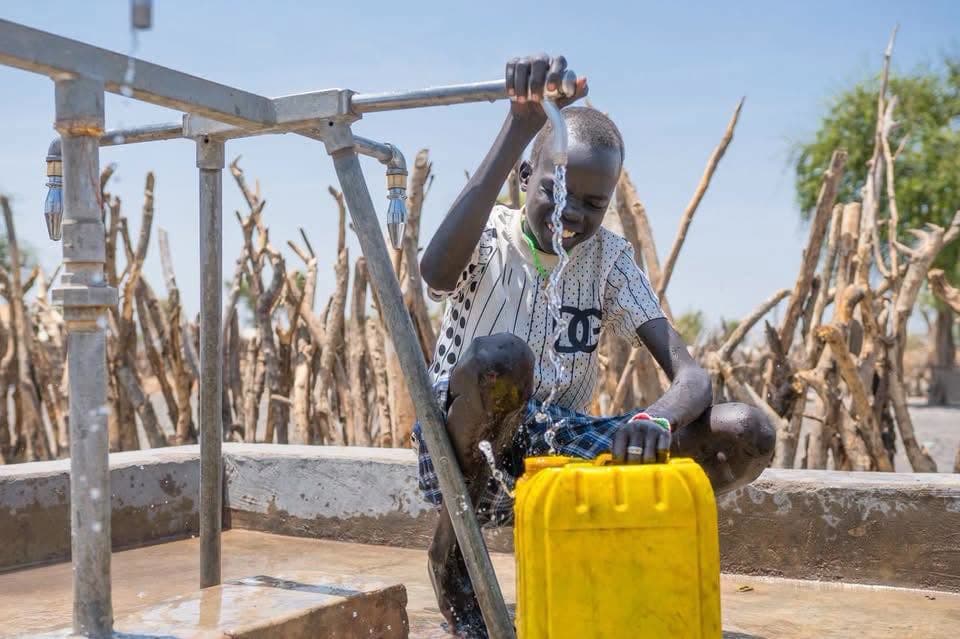
When creators see the work, everything changes. Suddenly, it's not just a campaign, it's a child they met, a family they hugged, a story they'll never forget.
Bringing creators on-site (or hosting them at a project visit) transforms them from promotional partners into purpose-driven ambassadors. It also fuels content that's more authentic, emotional, and high-performing, because it's real. Don't over-script the visit. Let them experience it naturally. Encourage them to document, not perform. Follow up with co-created impact content, not just a donation receipt. A 2-day visit can do more for your long-term visibility and donor engagement than 10 galas.
Examples in the wild
- Surfrider Foundation's Coastal Defender Program recruited ocean-loving creators as long-term advocates. Gave them content kits, campaign leadership, and consistent storytelling roles. It's grassroots, at scale.
- charity: water's influencer engagement model invites creators to visit field projects and see the impact themselves. These aren't press trips, they're shared experiences that stick.
- Beast Philanthropy's creator network isn't called "ambassadors," but functions the same way. Trusted creators join again and again because they've seen where the funds go, and feel part of the mission.
From Campaigns to Movements
Creators aren't just fundraisers. They're cultural architects.
We've talked about campaigns, ambassadors, and partnerships. But here's the bigger picture: creators don't just spark generosity. They shape culture. They move markets. They lead millions.
Imagine this: if just 5% of the top 10 creators' audiences gave $20 a month, that's over $60 billion a year flowing to causes. That's more than most government agencies. More than global aid orgs. More than entire national nonprofit sectors combined. And unlike traditional fundraising, it scales through community, not gala invites.
The old way relied on printing, planning, and persuading. The new way taps into people with platforms, stories with stakes, and movements with momentum. Creators are building the future of generosity, and they're doing it at internet speed.
The question isn't if your nonprofit will engage creators. It's how well you'll do it, and how soon you'll start.
How Glow Can Help You Succeed
At Glow, we understand the unique challenges and immense potential of connecting nonprofits with the creator economy. We work with creators, talent teams, and brands to build community funds, run cause campaigns, and bring the story back to the people who gave. For nonprofits, that means one partner handling what usually gets split across teams:
- Creator matching built on cause fit. We help bring nonprofits and creators together around programs their communities can understand and believe.
- Campaign structure and coordination. Strategy, the giving experience, agreements, messaging support, and partner follow-up.
- Diligence both directions. Every nonprofit partner goes through Glow's 35-step vetting process before joining a program, which is also what makes creators and their managers comfortable saying yes.
- Reporting and impact stories. Clear updates your team, the creator, and the community can share.
Down to the Dollar. Glow programs are built on a simple allocation your community can see: 90–96% to grants, up to 6% to program management (optional, when Glow runs the programs and impact storytelling), and 4% to governance and giving operations.
If you're ready to start fundraising with the power of the creator economy on your side, book a free strategy call.
Appendix: Tools to Make It Real
These resources are designed to take your team from inspiration to execution: faster, smarter, and with less guesswork.
Campaign Blueprint
A step-by-step framework to plan, build, and run a successful creator-led campaign from start to finish.
- Cause alignment: choose a campaign theme creators can connect with personally. Invite creators to vote or suggest cause angles for greater buy-in.
- Creator targeting: match the campaign tone with the appropriate creator tier and style, using the Tier Targeting Matrix below.
- Offer design: create a win-win value exchange (exclusive access, budget, unique content ideas). Lead with the mission and clearly articulate what’s in it for the creator.
- Story development: provide ready-to-use visuals, relevant data, and authentic stories. Make it easy to share, but avoid over-scripting.
- Launch cadence: map out teaser, main content drop, follow-up posts, and engagement windows. Use a shared calendar for coordination.
- Donor experience: ensure creators have a unique link or code for accurate tracking. Gamify participation or reward creators with exclusive merch or public shoutouts.
- Impact reporting: send regular updates with compelling visuals and donor statistics, formatted so creators can easily share the results with their audience.
Tier Targeting Matrix
| Tier | Best for | Typical ask | Who to contact |
|---|---|---|---|
| Nano | Local outreach, grassroots impact, authentic community reviews | Single post, attend event, share a personal story | DM or direct email |
| Micro | Regional push, niche campaigns, highly engaged community | Multiple posts, host a challenge, live Q&A | Email or DM |
| Mid-Tier | Statewide or cause-focused reach, longer-term partnerships, campaign face | Short content series, dedicated campaign promotion | Manager or business email |
| Macro | National visibility, large-scale awareness campaigns | Multi-platform content, co-created campaign assets | Talent rep or PR agency |
| Mega | Mass awareness, mainstream media tie-ins, large-scale fundraising drives | Full-scale campaign integration, major event appearances | Talent agency or management firm |
Budgets range from perks and small stipends at nano scale to six figures for exclusive mega partnerships. Match your offer to the tier, and always personalize: this matrix is a framework, not a formula.
Ambassador Touchpoint Calendar
A simple 6-month rhythm to keep creator partners inspired, informed, and actively involved:
Welcome kit with personalized message from your team, plus a public welcome post on socials.
Behind-the-scenes video or virtual tour of the impact area, early access to campaign assets.
Co-hosted livestream or Q&A with your team or other ambassadors.
Site visit or impact trip invitation. Give them a firsthand look at the work they’re supporting.
Spotlight them in your newsletter or on your social media (cross-promotion opportunity).
Extend the cycle with annual retreats, storytelling collaborations, or campaign co-creation for deeper, lasting engagement.
Creator Outreach Cheat Sheet
Be specific and honest. “Paid Collab to Help Kids in Kenya” is better than “Exciting Opportunity”.
Clearly state why this specific creator and why your cause are a perfect match.
A TL;DR offer, quick context about your organization, and a compelling impact angle.
Don’t ask for a call or meeting without first providing a clear, compelling offer.
Include a simple, low-friction way to accept or learn more quickly.
If no response, try a different channel: DM, their manager, or LinkedIn.
Board Buy-In Kit: Making the Case for Creator Partnerships
The opportunity. Creators are today's most trusted messengers. With millions of followers and authentic storytelling power, they can activate new donor audiences at scale. Partnering with them isn't about chasing trends. It's about speaking the language of the next generation of givers.
The problem. Traditional fundraising is expensive, slow, and aging out. Younger donors don't respond to mailers or galas. They trust people, not institutions.
The evidence. Trust in social media influencers among Gen Zers and millennials grew from 51% in 2019 to 61% in 2023 (Morning Consult). Edelman's 2025 research found trust now carries equal weight with price and quality as a purchase consideration, and 64% choose brands based on their beliefs. The same trust dynamics apply to giving.
Mini case studies. Ryan Trahan's 50-state challenge: 800M+ views, $11.5M+ raised. Beast Philanthropy: a YouTube-first giving engine with over 20 million subscribers and full transparency. Markiplier: millions raised for cancer research and children's hospitals through charity streams.
Common objections, reframed. "This feels risky": it's only risky without proper vetting; with a partner like Glow, you co-create content and choose aligned creators. "What if it flops?": start with a small pilot; test, measure, and refine in a controlled environment. "Our donors are older": true for current donors, but creator partnerships build your next generation of supporters now. "We already have influencers": if you've ever booked a keynote speaker, you've engaged an influencer; this is the 2.0 version. "Isn't this expensive?": a gala or large print campaign often costs more and delivers less measurable impact.
The 30-day pilot
Success metrics: reach, engagement, donations and recurring givers, creator feedback, and donor sentiment.
Why now? Our traditional audience is aging. Creators help us meet future donors where they are already active and engaged. They combine media, message, and movement into one force, and they are already trusted voices.